

Spiti or Ladakh: which first?
For a first trip to the high Himalaya, we’d usually say Spiti. You arrive slowly by road, which is easier on your body; it’s quieter; and it costs less to reach. Ladakh is the better pick if you only have a week, want to fly in, or have your heart set on Pangong Lake.
We should say it plainly: we live in Spiti and run a hotel in Key village, so we’re not neutral. But we send friends to Ladakh too, and both are worth a lifetime. What follows is how we’d help a friend decide.
Spiti and Ladakh side by side
| At a glance | Spiti | Ladakh |
|---|---|---|
| Main town | Kaza, about 3,650 m | Leh, about 3,500 m |
| Highest road | Kunzum Pass, about 4,550 m | Passes above 5,300 m |
| Getting there | By road only | Fly into Leh, or by road in summer |
| Days needed | 7–10 | 7–12 |
| Crowds | Few, even in summer | Busy around Leh in peak season |
| Roads | Rougher, narrower | Wider, better surfaced |
| Summer season | June – September | June – September |
| Foreign nationals | Protected Area Permit | Protected Area Permit |
| Cost | Usually lower | Usually higher (flights) |
The altitude question isn’t what people think
People see that Kaza is higher than Leh and decide Spiti must be harder on the body. In practice it’s often the other way round.
Most visitors to Ladakh fly from Delhi to Leh in about an hour and a half. You leave the plains in the morning and sleep at 3,500 m that night. That’s why every hotel in Leh tells you to do nothing on day one, and why so many first days in Ladakh are spent in bed with a headache.
Spiti has no airport. From Shimla, the road climbs over two days through Kinnaur: Sarahan or Sangla, then Nako or Tabo, then Kaza. By the time you get here, your body has had time to adjust. You can still get altitude sickness in Spiti, especially if you rush up from Manali in one day, but the Kinnaur road is about as gentle an approach as the Himalaya offers.
Ladakh then goes higher. Its famous drives cross passes above 5,300 m, and Pangong Lake sits at about 4,225 m. Spiti’s high points are lower: Kunzum Pass at about 4,550 m and villages like Kibber at about 4,270 m.
What each place feels like
Ladakh is big. The valleys are wide, the lakes are huge and blue, and the scale is hard to take in. Leh is a proper town with cafés, bookshops, bike rentals and a busy market. The famous sights (Pangong, Nubra’s sand dunes, Khardung La) are long day drives, and in July and August you’ll share them with a lot of people.
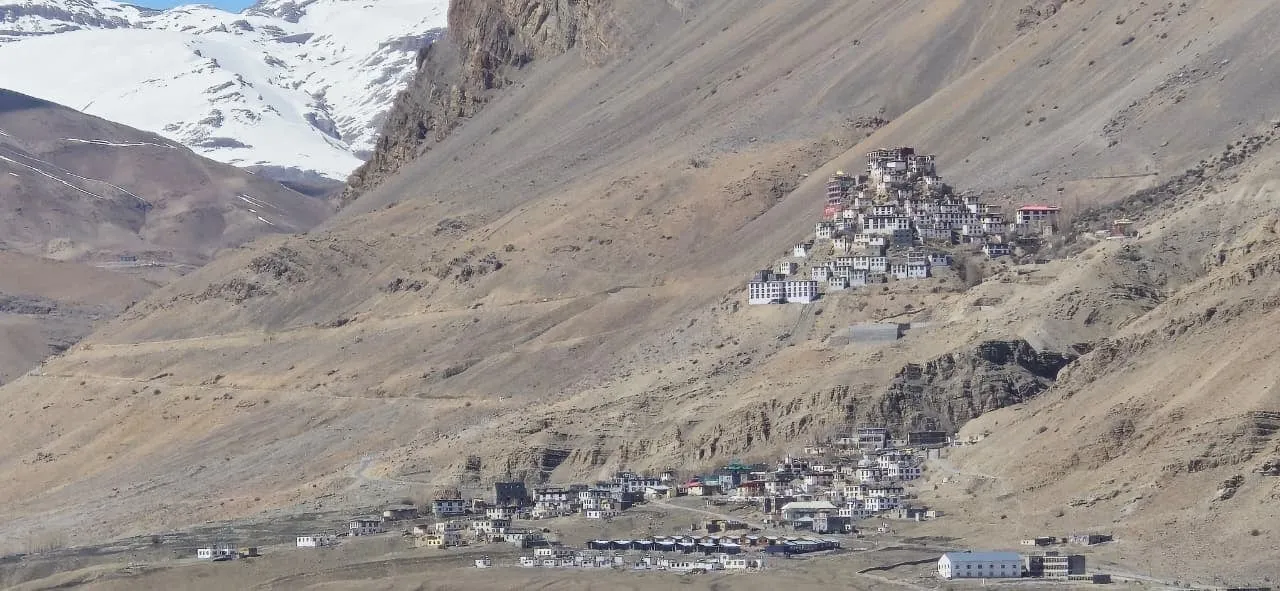
Spiti is close. The valley is narrow and the villages sit right on the cliffs. You stay in a homestay, eat with the family and walk to the monastery after breakfast. Tabo’s monastery was founded in 996 CE and still has monks; Dhankar hangs off a spur of rock above the confluence of two rivers; Key looks exactly like the photos. It’s less about driving to sights and more about being somewhere.
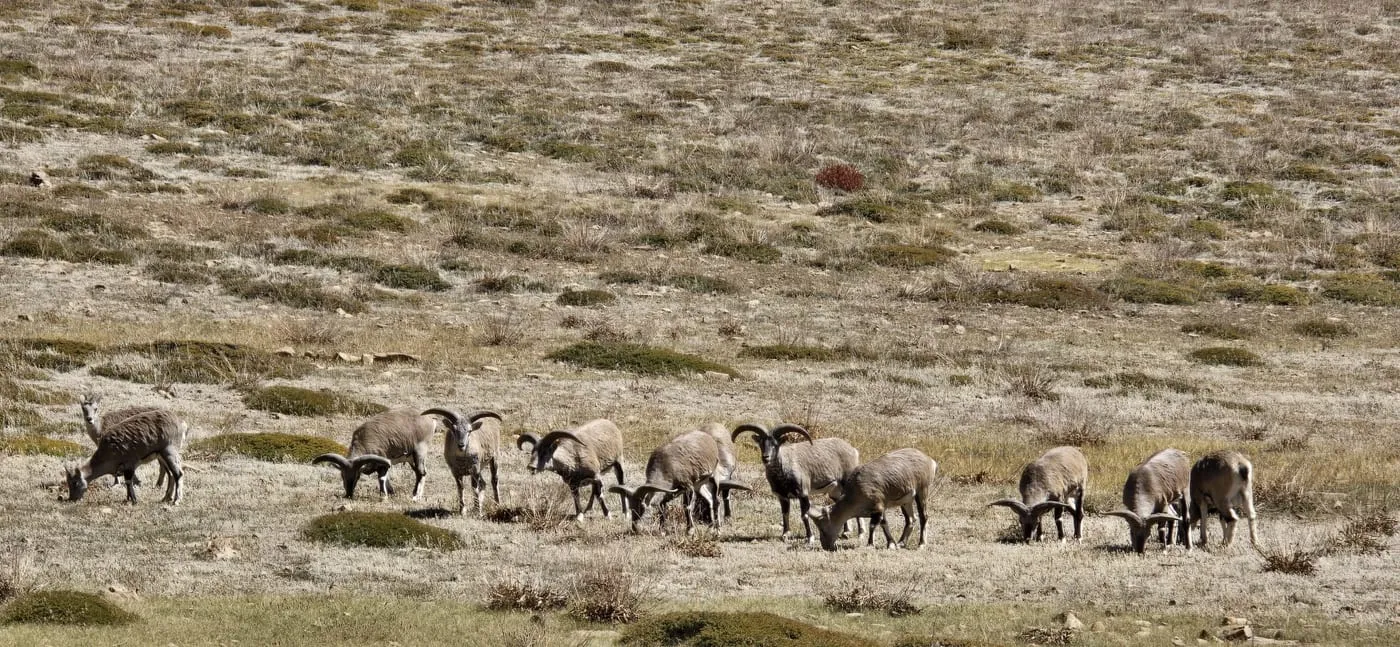
Spiti also wins on wildlife you can actually see. Blue sheep graze right above the road near Kibber, and in winter there’s a real chance of snow leopards. In Langza you can pick up fossils from when all this was under the sea.
Crowds, roads and comfort
Ladakh has better roads and more hotels at every price. If comfort matters, especially for older parents, that’s a real point in its favour.
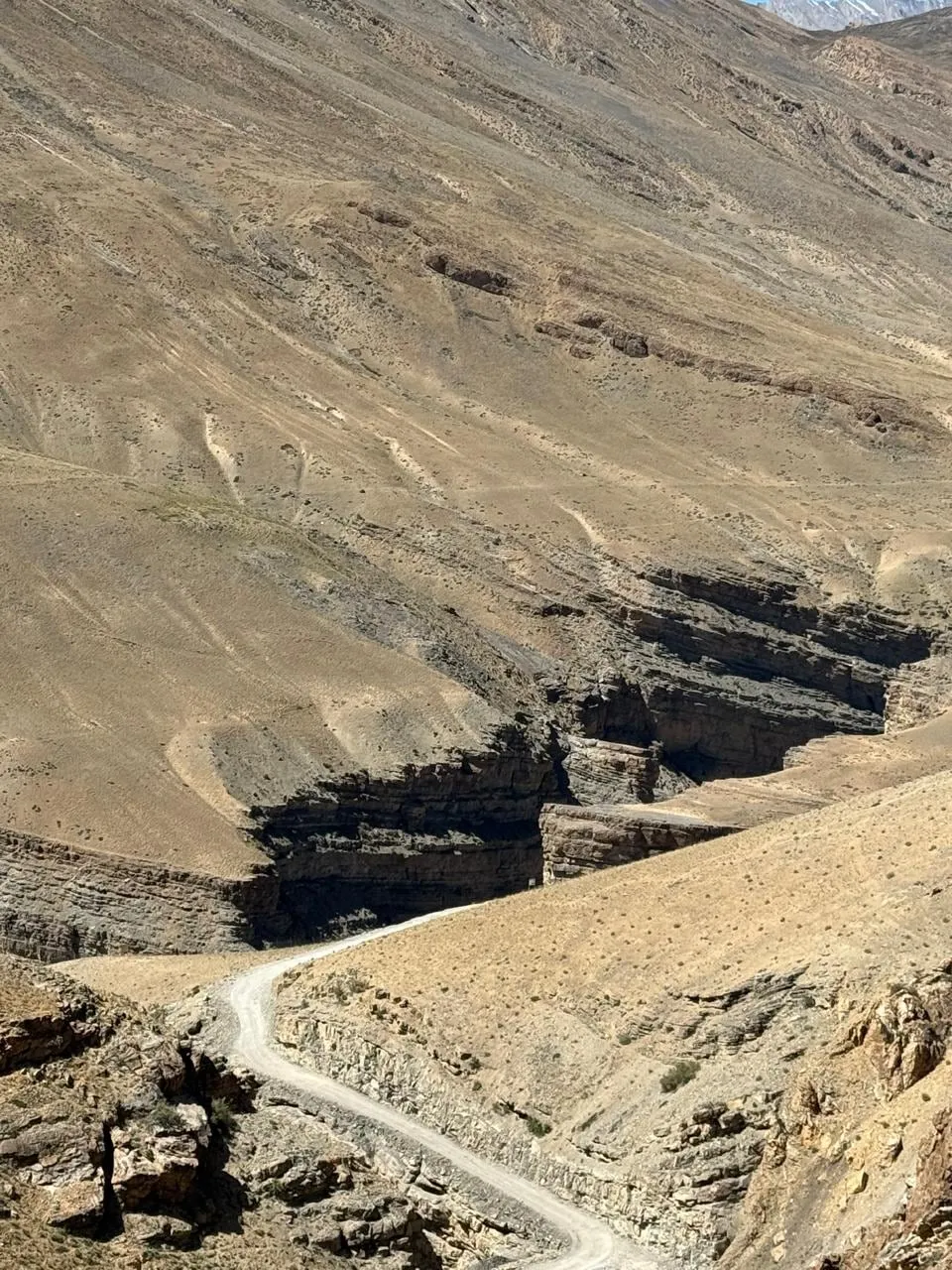
Spiti’s roads are narrower and rougher, and some stretches are still gravel. Rooms are simpler: good homestays and a few small hotels, not resorts. In exchange you get the quiet. Even in August, we see more yaks than tour buses on the road to Kibber.
Permits
- Indian citizens: no permit is needed for Spiti. Ladakh dropped its Inner Line Permit for Indians in 2021, but charges an environment fee.
- Foreign nationals: you need a Protected Area Permit for both. In Spiti, it covers the stretch near the Tibet border between Kinnaur and Spiti (around Nako and Sumdo); you get it in Reckong Peo, Kaza or Shimla. In Ladakh, it covers Nubra, Pangong and Tso Moriri and is issued in Leh.
Rules change, so check them just before you travel. If you travel with us, we help with the Spiti permit, and our post on Spiti Valley permits explains the rest.
Which is colder?
Honestly, there isn’t much in it. Leh’s January nights average about −13 °C and the record is −28 °C. Kaza is a little higher and usually a few degrees colder after dark, regularly below −20 °C and sometimes near −30 °C. But Ladakh has the extreme places, like Dras on the Srinagar road, often called one of the coldest inhabited towns in the world.
In summer, both are pleasant by day (often 20 °C or more in the sun) and cold at night. Pack the same way for either.
Cost
We don’t quote numbers here, because they change every season. But Spiti is usually cheaper, for two reasons: you don’t need flights, and a homestay costs less than most hotels in Leh. If budget decides it, Spiti tends to win.
Can you do Spiti and Ladakh in one trip?
Yes, and it’s one of the great road trips in the world. Between about mid-June and September, when Kunzum Pass and the Manali–Leh highway are both open:
- Drive from Shimla through Kinnaur into Spiti, acclimatising on the way.
- Spend four or five days around Kaza.
- Cross Kunzum Pass, join the Leh highway near Keylong, and drive on via Sarchu to Leh.
- Fly home from Leh.
Give it about three weeks. By the time you reach Ladakh’s high passes, you’ve had ten days to acclimatise, which makes the whole thing much safer. Our Spiti circuit from Shimla to Manali covers the first half.
For couples, families and bikers
Couples often ask us which is more romantic. Ladakh has the postcard moments, like Pangong at sunset. Spiti has the quiet ones: a homestay room with a stove, a sky full of stars over Langza, a monastery with nobody else in it. If you want time together more than sights, Spiti.
Families with older parents or young children usually do better in Ladakh, because you can fly in and the hotels are more comfortable. If you choose Spiti, keep the trip short and based in Kaza, and skip the higher villages on the first days.
Bikers love both. Ladakh’s passes are the famous ones, but Spiti’s roads are the tougher ride, with river crossings and long gravel stretches. Ride Spiti first if you want to learn; it’s slower and less crowded.
So, which one should you pick?
Pick Spiti if:
- this is your first trip above 3,500 m
- you’d rather stay in villages than in a town
- you want fewer people and lower costs
- you’d like the chance to see blue sheep or a snow leopard
Pick Ladakh if:
- you only have a week and need to fly
- Pangong, Nubra and the big passes are the dream
- you want more comfortable hotels and smoother roads
- you’re travelling with people who can’t manage long drives
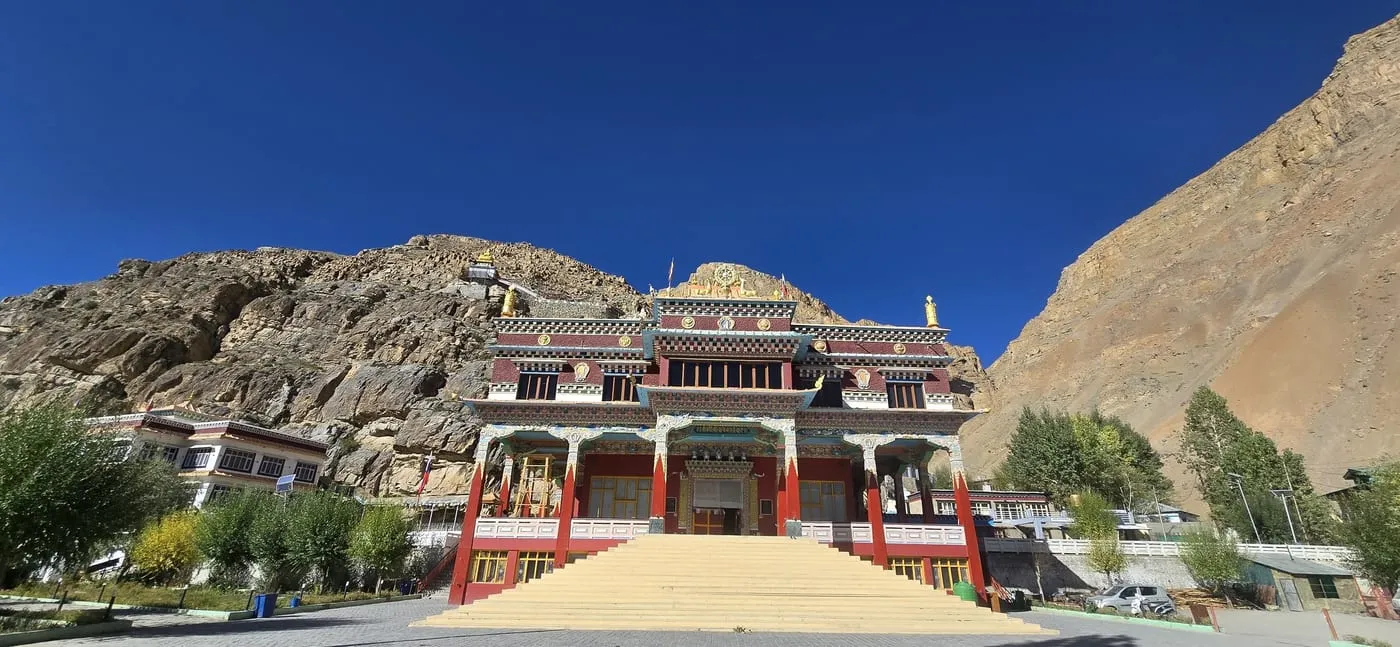
Still torn? Tell us your dates and how you like to travel, and we’ll tell you straight which one fits. If it’s Spiti, our Kaza monasteries and villages trip is a good short start, and the Spiti Valley guide has the rest. Thinking of winter? Read Spiti in winter: is it worth it? first.
Quick answers
Which is better, Spiti or Ladakh?
Neither is better; they suit different trips. Spiti is quieter, cheaper to reach and kinder on the body because you arrive slowly by road. Ladakh is bigger, has more famous sights like Pangong Lake, and is quicker to reach because you can fly into Leh.
Which is colder, Spiti or Ladakh?
They're close. Leh's January nights average about −13 °C and have touched −28 °C; Kaza, a little higher, regularly drops below −20 °C and can reach −30 °C. Ladakh has colder places still, such as Dras.
Is Spiti higher than Ladakh?
Kaza is slightly higher than Leh, but Ladakh's passes and lakes go much higher. Roads in Ladakh cross passes above 5,300 m, while Spiti's highest road, Kunzum Pass, is about 4,550 m.
Can we cover Spiti and Ladakh together?
Yes, between about mid-June and September, when Kunzum Pass and the Manali–Leh highway are both open. Drive from Shimla through Kinnaur to Spiti, cross Kunzum, join the Leh highway near Keylong and continue to Leh. Allow about three weeks.
Do I need a permit for Spiti or Ladakh?
Indian citizens need no permit for Spiti and no Inner Line Permit for Ladakh since 2021, though Ladakh charges an environment fee. Foreign nationals need a Protected Area Permit for parts of both: in Spiti and Kinnaur near Nako and Sumdo, and in Ladakh for Nubra, Pangong and Tso Moriri.
Is Spiti or Ladakh better for a first trip?
For most people, Spiti. The slow road in through Kinnaur helps you acclimatise, it's less crowded, and you can turn it into a short trip from Kaza. Choose Ladakh first if you only have a week and want to fly.
Sources
Last updated


