

Altitude sickness in Spiti: do you need oxygen?
Most healthy travellers don’t need oxygen in Spiti. What they need is time: a slow climb in through Kinnaur, an easy first day in Kaza, and plenty of water. Carrying a small oxygen can or cylinder is sensible as a back-up, but it isn’t a treatment. If someone is properly unwell at altitude, the answer is to go down.
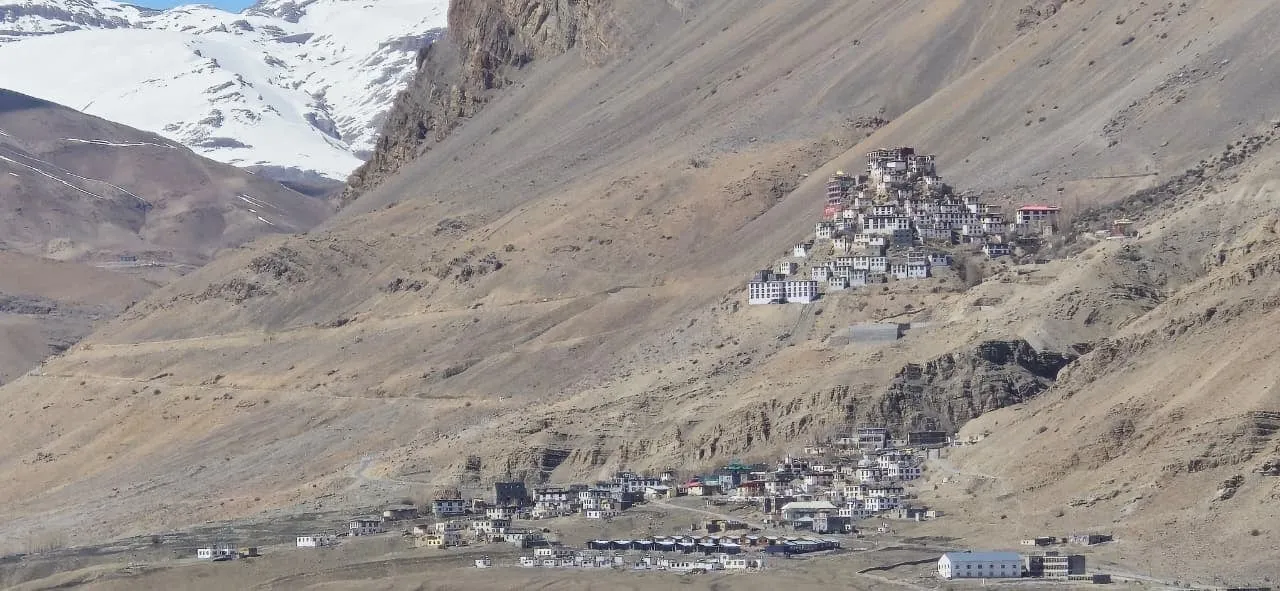
Our family lives in Spiti, and our hotel in Key village is at around 4,000 m. Every season we see guests arrive pale and headachy, and almost all of them are fine by the second morning. Here’s how to be one of them.
How high is Spiti?
| Place | About |
|---|---|
| Shimla | 2,200 m |
| Kalpa, Kinnaur | 2,960 m |
| Tabo | 3,050 m |
| Nako | 3,600 m |
| Kaza | 3,650 m |
| Key Monastery | 4,166 m |
| Kibber | 4,270 m |
| Chandratal | 4,300 m |
| Langza | 4,400 m |
| Kunzum Pass | 4,550 m |
For comparison, altitude sickness can start at around 2,500 m. So yes, Spiti is high enough to matter.
What altitude sickness feels like
Mild altitude sickness (doctors call it AMS) feels a lot like a hangover:
- a headache
- nausea or no appetite
- tiredness, dizziness
- poor sleep
It usually starts within a few hours to a day of arriving somewhere higher, often during the first night. If you stay at the same height and rest, it normally clears within a day or two.
Who gets it?
Almost anyone can. Being fit doesn’t protect you, and the strongest walkers sometimes get it worst because they push hardest on day one. What matters most is how fast you climb, and whether you’ve had altitude sickness before.
Older travellers are not more at risk just because of age; if anything, people over 50 do slightly better (our post on trekking over 50 and 60 has more). Children are as likely to get it as adults, but they’re less likely to tell you, so watch for a child who is unusually grumpy, sleepy or off their food.
Shimla side or Manali side: it makes a real difference
This is the single most important choice you’ll make for your body.
From Shimla through Kinnaur, you climb over two or three days: a night around Sarahan, Sangla or Kalpa, then Nako or Tabo, then Kaza. Each night is only a little higher than the last. This is the gentle way in, and it’s why we usually send first-timers this way.
From Manali over Kunzum Pass, you can go from about 2,000 m to over 4,500 m and down to Kaza in a single day. That’s a big jump, and it’s where we see most of the trouble, especially for people who also sleep at Chandratal on their first night.
If you do come from Manali, spend a night or two in Manali first, don’t sleep at Chandratal on the way in, and take your rest day in Kaza seriously.
The rules we follow
These are simple, and they work:
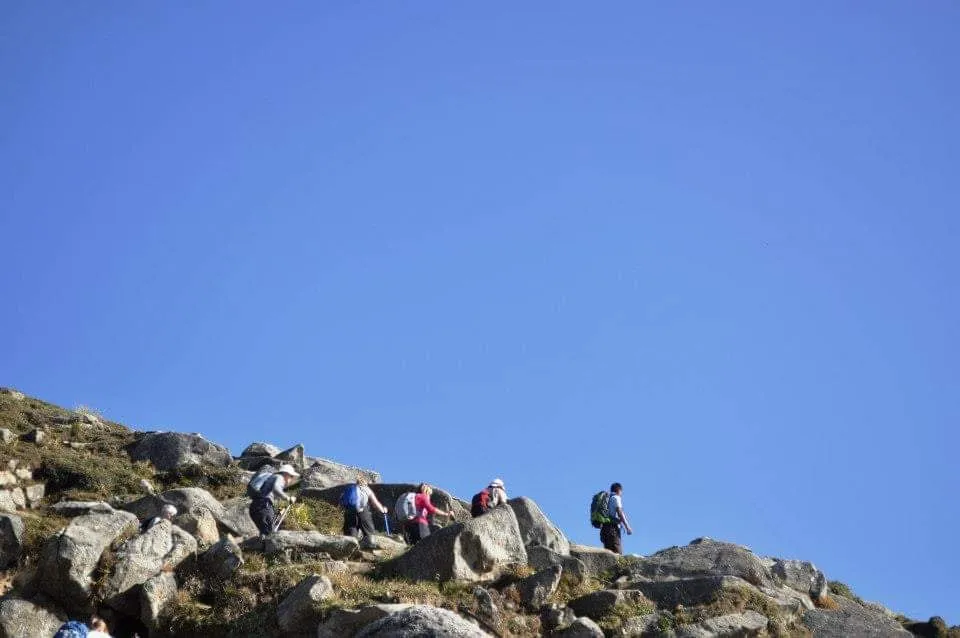
- Climb slowly. Above 3,000 m, try not to sleep more than about 500 m higher than the night before.
- Rest on your first day in Kaza. Walk around town, eat, drink, nap. Save Key, Kibber and Langza for day two.
- Go high, sleep low. A day trip up to Langza or Komic is fine once you feel well, as long as you sleep back down in Kaza.
- Drink water, steadily. The air is very dry, and you lose more than you notice.
- Skip alcohol and sleeping pills for the first two nights.
- Don’t go higher with symptoms. A headache in Kaza is a reason to stay in Kaza, not to drive to Kunzum.
Should you take Diamox?
Acetazolamide (sold as Diamox) can help prevent altitude sickness. It’s often suggested for people who’ve had altitude sickness before, or who have to climb quickly. It isn’t right for everyone, and it has side effects.
So our advice is simple: ask your own doctor before the trip, not a stranger online or at a chemist on the road. And remember that it doesn’t replace climbing slowly.
What to carry
- A water bottle you’ll actually use, and oral rehydration sachets
- Paracetamol or ibuprofen for headaches
- A cheap fingertip pulse oximeter. It shows your blood oxygen. Low readings are normal up here, but a number that keeps falling while you rest, along with symptoms, is a reason to go down.
- Any medicines your doctor gave you, in your day bag, not on the roof of the car
The oxygen question
People ask us about oxygen more than anything else, so here’s the honest answer.
- Small oxygen cans (the kind some shops in Manali and Kaza sell) hold only a few litres. They can ease a headache for a few minutes and make someone feel calmer. They won’t fix real altitude sickness.
- A proper oxygen cylinder with a mask can genuinely help someone who’s struggling, while you get them down. The Lahaul and Spiti police advise visitors to carry oxygen and a first-aid kit, and it’s worth having one in the vehicle.
- Neither one is a reason to keep going up. If someone needs oxygen, the plan is to go down, not to carry on.
If you’re travelling with older parents, or anyone with heart or lung problems, bringing a cylinder is a good idea. And talk to a doctor before you book.
The danger signs
Rarely, altitude sickness turns serious. It can cause fluid on the lungs (HAPE) or on the brain (HACE). Both can kill if ignored. Watch for:
- breathlessness while resting, not just on stairs
- a wet cough, sometimes with frothy or pink spit
- confusion, odd behaviour, or stumbling like someone drunk
- blue or grey lips
- extreme sleepiness, or being hard to wake
If you see any of these: go down now, even a few hundred metres helps, give oxygen if you have it, and get to the health centre in Kaza. Don’t wait for the morning. Tell your host straight away; everyone here knows what to do.
What a first night in Kaza is really like
You’ll probably sleep lightly. You might wake up breathing oddly, a few quick breaths then a pause. That’s normal at altitude and it settles. A mild headache in the morning is common too; drink water, have breakfast, take a painkiller if you need one, and see how you feel by mid-morning.
What’s not normal is feeling worse on day two than day one. That’s your body telling you to wait, or to go down.
In winter
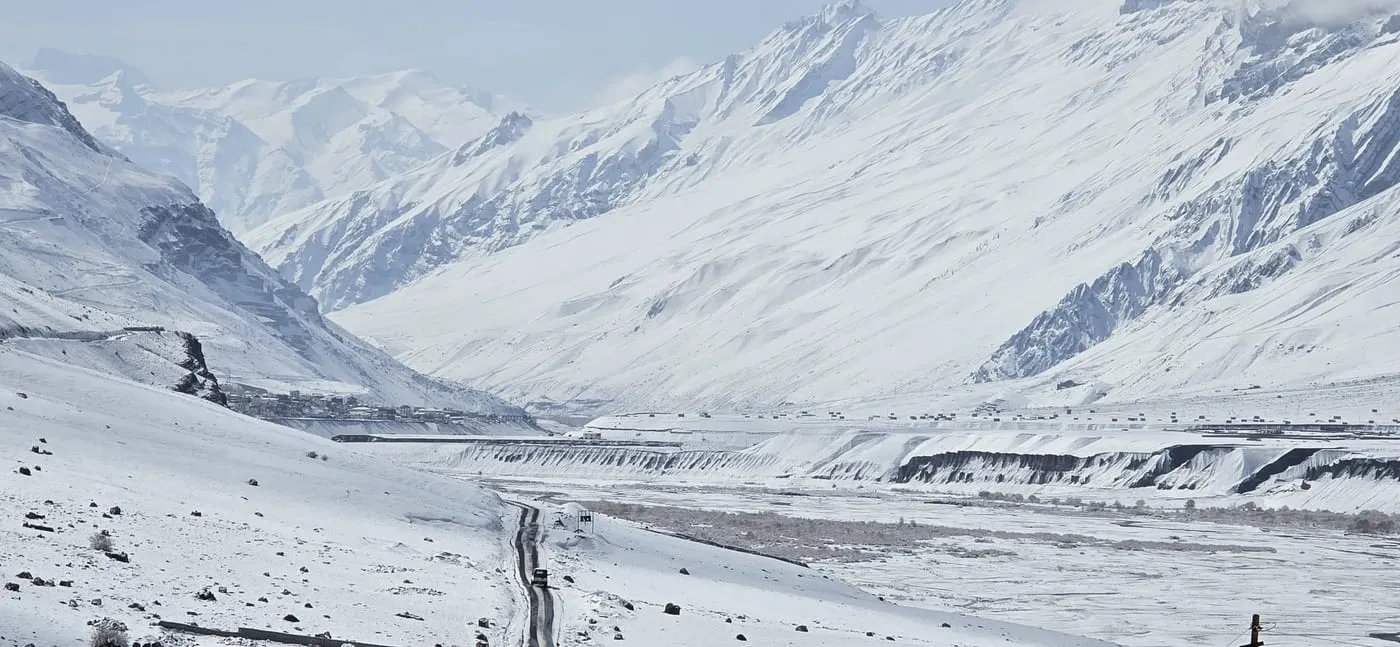
Everything above gets more serious in winter. The cold adds strain, help is further away, and roads can close. If you’re thinking about a winter trip, read Spiti in winter: is it worth it? first, and give yourself spare days.
The short version
You probably don’t need oxygen. You do need a slow plan: come in through Kinnaur, rest on day one in Kaza, sleep low, drink water, and go down if you get worse. Carry a cylinder if you’re older or have health conditions, and see your doctor before you travel.
Our Spiti circuit from Shimla to Manali is built around that slow climb, and our hotel team’s Surviving Spiti post covers the food, cold and roads. If you’re not sure your plan is gentle enough, send it to us on WhatsApp and we’ll tell you honestly.
Quick answers
Do we need oxygen in Spiti?
Most healthy travellers don't, if they climb slowly. A small oxygen can or cylinder is worth carrying as a back-up, especially for older travellers or anyone with heart or lung problems, but the real treatment for altitude sickness is going down.
How high is Spiti Valley?
Kaza, the main town, is at about 3,650 m (11,980 ft). Most villages and monasteries are between 3,000 and 4,500 m: Key Monastery is at about 4,166 m, Kibber about 4,270 m and Langza about 4,400 m.
How do I avoid altitude sickness in Spiti?
Come in slowly from Shimla through Kinnaur rather than driving up from Manali in one day. Above 3,000 m, sleep no more than about 500 m higher each night, rest on your first day in Kaza, drink plenty of water and skip alcohol for the first nights.
Should I take Diamox for Spiti?
Ask your own doctor before the trip. Acetazolamide (Diamox) can help prevent altitude sickness for people who are prone to it or have to climb fast, but it isn't right for everyone and it doesn't replace a slow ascent.
Is Spiti safe for children and older people?
Usually, with a slow plan. Children are as likely to get altitude sickness as adults and may not tell you how they feel, so watch them closely. Older travellers are not more at risk because of age, but anyone with heart or lung conditions should talk to a doctor first.
What are the danger signs of altitude sickness?
Breathlessness while resting, a wet cough, confusion, stumbling or very unusual sleepiness. These can mean fluid on the lungs or brain. Go down straight away and get to medical help; don't wait for morning.
Sources
Last updated


