

Triund or Indrahar Pass: which trek suits you?
If you’ve never trekked in the Himalaya, do Triund. It’s a steep half-day walk from McLeod Ganj to a grassy ridge at about 2,875 m, right under the Dhauladhar, and most fit beginners can manage it. Indrahar Pass is the same trail on day one, then carries on for two or three more days to 4,342 m. It’s a real mountain trek, and it’s better as your second Himalayan walk than your first.
We started out as mountain guides on these trails before we ever ran a hotel, and we still take groups up both. This is how we help people choose.
Triund and Indrahar Pass at a glance
| At a glance | Triund | Indrahar Pass |
|---|---|---|
| Highest point | About 2,875 m | 4,342 m |
| From McLeod Ganj | About 9 km each way | 3–4 days return |
| Difficulty | Easy–moderate | Moderate–difficult |
| Best months | Mar – Jun, Sep – Nov | Late May – Jun, Sep – mid-Oct |
| Where you sleep | Home, or a tent on the ridge | Tents and Lahesh Cave |
| Guide | Not essential | Strongly advised |
What Triund is really like
The trail starts in McLeod Ganj, or about 2 km higher at the Galu Devi temple above Dharamkot, where most people begin. From Galu it’s roughly 5 to 6 km to the top, through oak and rhododendron forest.
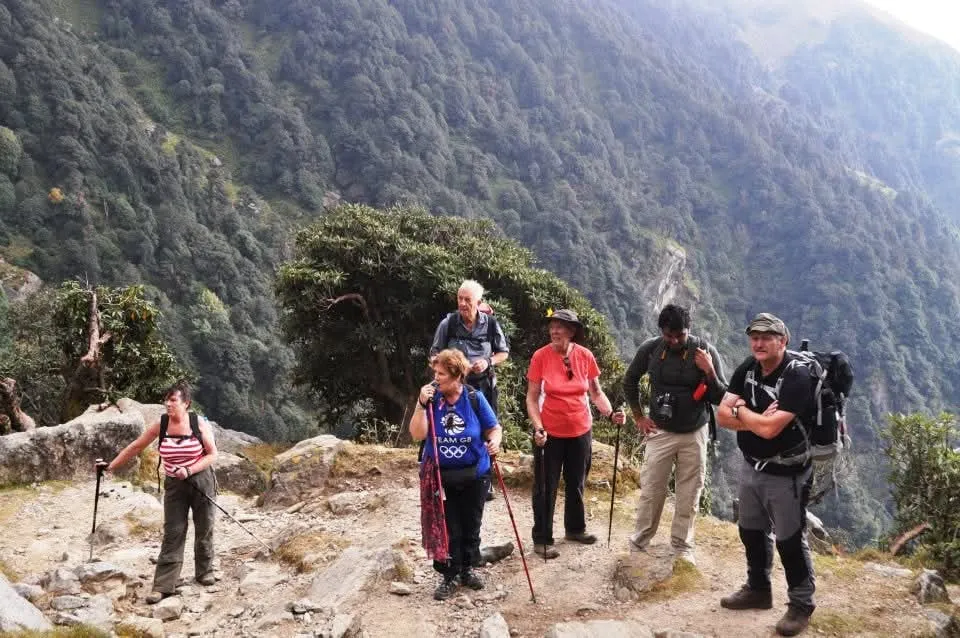
The first two-thirds are steady and shaded, with chai stalls along the way. Then come the last bends below the ridge, which are steeper, stonier and in full sun. That’s where people who said it would be easy start to go quiet. Take it slowly, drink water, and you’ll get there.
At the top the ground flattens into a long, green ridge. On one side the Dhauladhar rises almost straight up; on the other you look down over the Kangra valley. Most people take three to five hours to walk up and two to three to come down.
Can you do it in a day? Yes. Start by 8 am and you’ll be back in McLeod by late afternoon. But if you can, stay the night. The day walkers leave around three, the ridge goes quiet, and sunset and sunrise on the snow are the reason Triund is famous.
Is Triund overcrowded?
On a Saturday in May, honestly, yes. Triund is the closest real Himalayan view to Delhi and Chandigarh, and long weekends bring a steady line of people up the trail, with music at the top. It’s still beautiful, just not peaceful.
To get the quieter Triund:
- go on a weekday, or in October and November, when the air is clearest
- start before 7 am, so you’re walking up as the first group comes down from the ridge
- stay the night, because after about 4 pm the ridge empties
- walk an hour further to the Snowline café if you want the snow close up and fewer people
Camping at Triund: the rules now
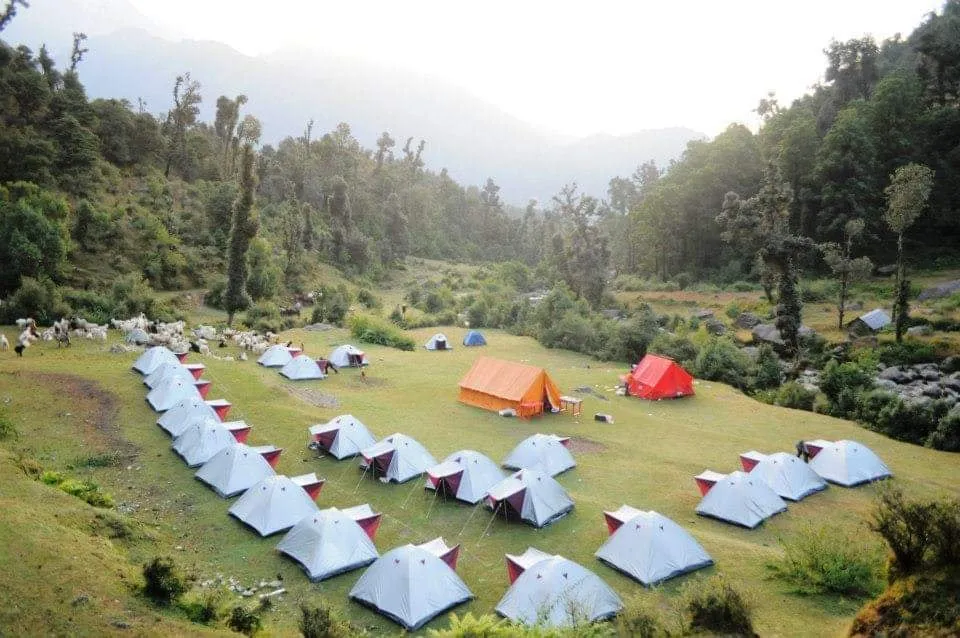
Camping on Triund has been on and off over the years. Today it’s allowed in the designated campsite on the ridge, with a permit from the forest department. Since a 2023 order the number of tents is capped, and pitching anywhere else on the ridge can get you fined.
The rules keep changing, so check at the Galu checkpost before you go, or go with a registered local guide who sorts the permit and the tent for you. Please carry every bit of your rubbish back down. The ridge can’t cope with what people leave behind.
What Indrahar Pass adds
Indrahar starts the same way, then keeps climbing. A typical plan:
- McLeod Ganj to Triund. The walk above. Sleep on the ridge.
- Triund to Lahesh Cave. Past the Snowline café to Laka Got, then up a rocky gully to Lahesh Cave, a natural rock shelter at about 3,300–3,500 m. Shepherds have sheltered here for generations; trekkers now camp around it.
- Lahesh Cave to the pass and back. The long day. You leave in the dark, around 4 or 5 am, and scramble up a steep field of boulders, sometimes on snow, to the pass at 4,342 m. Clouds usually roll in before noon, which is why you start so early.
- Down to McLeod Ganj, or over the far side into Chamba, if your trip crosses the pass.
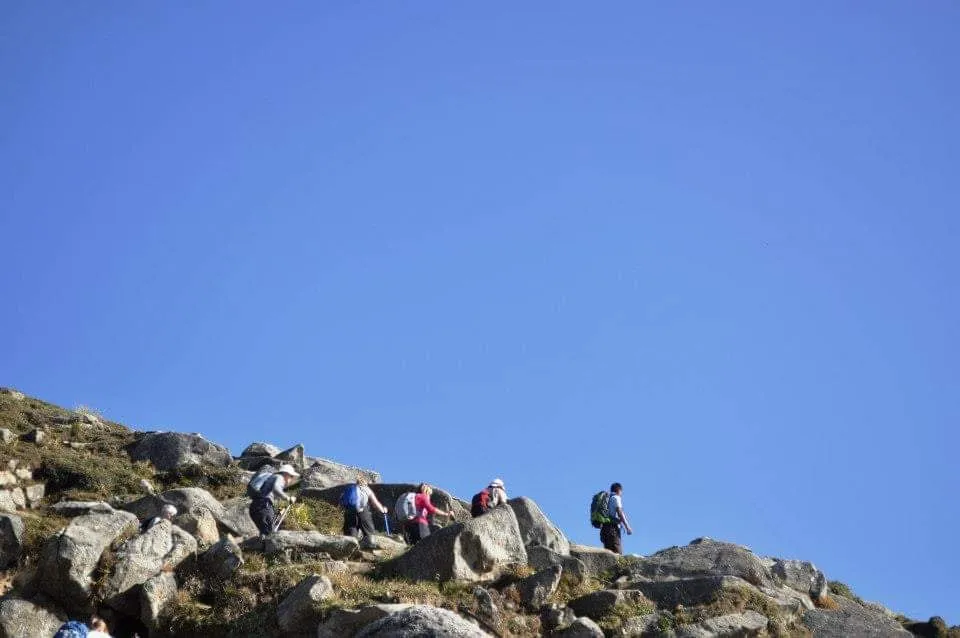
From the top, on a clear morning, you look one way back over the Kangra valley and the other way north into the Pir Panjal and the peaks around Mani Mahesh. It’s one of the best viewpoints we know.
What makes Indrahar hard isn’t any single section. It’s the altitude gain, the boulders (you’ll use your hands), the early start and the weather. Snow can lie near Lahesh Cave into June, and a sunny morning can turn into hail by lunch. This is not a trek to do alone or in trainers.
How fit do you need to be?
For Triund, you should be able to walk uphill for a couple of hours with short breaks. If you can manage a few flights of stairs without stopping and walk 10 km on a weekend, you’re fine. Good shoes matter more than fitness: the top section is loose stone.
For Indrahar, you want real stamina: six to ten hours on foot on the summit day, mostly over rough ground, at altitude. Do some long hill walks with a loaded day pack in the weeks before.
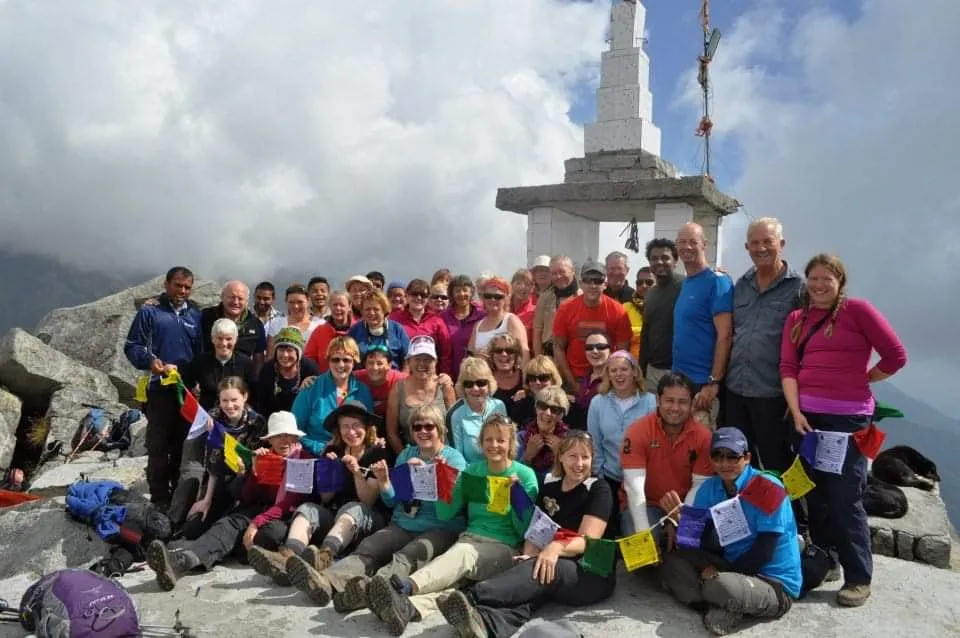
Age matters less than people think. Some of the happiest groups we’ve taken over these mountains were in their fifties, sixties and beyond; they simply walked slower and started earlier. What matters is steady fitness, healthy knees, and a guide who sets the pace for the slowest person, not the fastest.
Best time for each
- Triund: March to June and September to November are best. Monsoon (July and August) brings rain, leeches and cloud, and you may see nothing. In winter there’s often snow on the ridge, which is beautiful but slippery; go with a guide and proper boots. Our post on Triund in winter covers the snow, the cold and the winter permission rule.
- Indrahar Pass: late May to June and September to mid-October. Earlier in spring, snow makes the boulder field dangerous; in monsoon it’s wet and the views close in; after mid-October, nights at Lahesh get very cold.
Shepherds, dogs and leaving no trace
On both treks you’ll share the hillsides with Gaddi shepherds, who move their flocks up to these meadows each summer and over the passes into Chamba. You’ll hear the bells before you see the sheep. Give the flocks room on narrow paths, and ask before photographing anyone.
The mountain dogs will probably follow you up. They’re friendly. Please don’t feed them junk food.
So, Triund or Indrahar?
Choose Triund if:
- it’s your first trek, or you’re travelling with children or less active family
- you have one or two days
- you want a big view for not much effort
Choose Indrahar Pass if:
- you’ve done a multi-day trek before and enjoyed it
- you have four or five days
- you want a high pass, a night at a cave and a proper mountain day
Not sure? Do Triund with a night on the ridge, see how your legs feel, and come back for Indrahar. Plenty of people do exactly that. Want something quieter instead? Read Kareri Lake or Triund.
Our Triund trek and Bir Billing flight pairs a night on the ridge with a paragliding flight, and the Indrahar Pass trek has a local guide, tents and food. The Dharamshala guide covers getting here and where to stay.
Quick answers
Is the Triund trek difficult for beginners?
No, but it isn't flat. It's about 9 km each way from McLeod Ganj with roughly 800 m of climbing, and the last stretch is steep and rocky. Most reasonably fit beginners reach the top in three to five hours if they take it slowly.
Can I do Triund in one day?
Yes. Start from McLeod Ganj or the Galu Devi temple above Dharamkot by 8 am, and you'll be up by midday and back before dark. Staying a night on the ridge gives you sunset and sunrise, which many people say is the best part.
How difficult is the Indrahar Pass trek?
Moderate to difficult. It climbs from about 2,000 m to 4,342 m over two or three days, the last day is a long boulder scramble that starts before dawn, and the weather turns fast. It's best for people who have done a multi-day trek before.
What is the best time for Triund and Indrahar Pass?
Triund is good from March to June and September to November, and walkable in winter snow with a guide. Indrahar Pass is best from late May to June and from September to mid-October; snow lingers near Lahesh Cave until June, and monsoon months are wet and cloudy.
Is camping allowed at Triund?
Yes, in the designated campsite on the ridge, with a forest department permit. Since 2023 the number of tents has been capped, and wild camping elsewhere on the ridge isn't allowed. Rules change, so check at the Galu checkpost or go with a registered local guide.
Is Triund overcrowded?
On weekends and holidays from April to June, yes, it can be busy. Go on a weekday, start early, or stay the night after the day walkers have gone down, and it's a different place.
Sources
Last updated


